
A good garden doesn’t just happen. But it also doesn’t have to be a constant battle. The difference between a garden that looks great year-round and one that gets away from you is usually a consistent, seasonal approach — not the amount of time you pour into it on one big weekend.
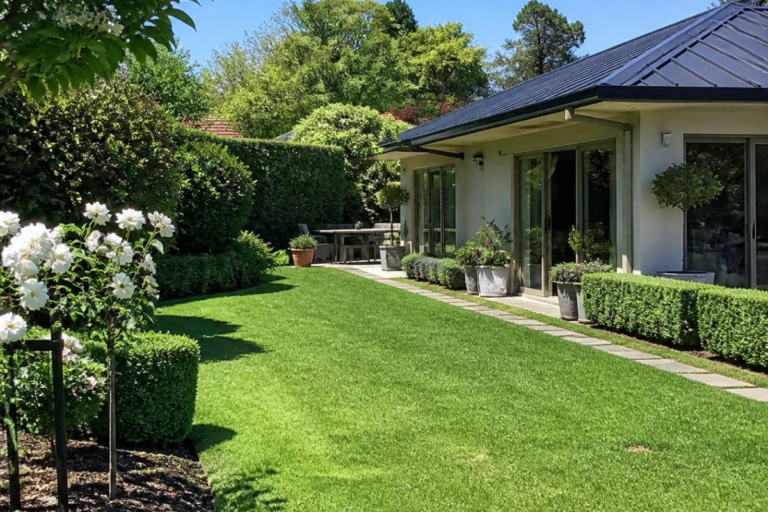
Mowing: Frequency Matters More Than You Think
In Queenstown’s growing season — roughly October through April — lawns need mowing every one to two weeks to stay looking tidy. Cut too infrequently and you end up removing too much leaf at once, which shocks the grass and leads to a patchy, yellowing result.
Keep your mower blade at around 4–5cm. Cutting too short stresses the lawn in dry periods and makes weeds easier to establish. In autumn, let the height creep up slightly to protect the root zone heading into winter.
Weeds: Deal With Them Early
Weeds are easiest to manage when they’re small. Once they’ve gone to seed, one plant becomes a hundred. A quick pass through garden beds every few weeks during spring and summer is far less work than trying to reclaim a bed that’s been neglected for a season.
Mulching garden beds is one of the most effective things you can do to suppress weeds long-term. A 7–10cm layer of good mulch retains moisture, improves soil health, and dramatically reduces the amount of weeding required over time.
Feeding and Fertilising
Lawns benefit from a slow-release fertiliser application in early spring, as growth picks up, and again in early autumn to strengthen the root system before winter. Avoid fertilising in the middle of summer if conditions are dry — fertiliser without adequate water can burn grass.
Garden beds generally need less input than lawns, but an annual top-up of compost or a balanced granular fertiliser in spring gives plants the nutrients they need to put on strong seasonal growth.
Pruning and Trimming Through the Year
Most shrubs and hedges in Queenstown benefit from one major trim in late summer or early autumn, once the main growing season is winding down. This shapes plants before winter and reduces the amount of growth that needs to be managed the following spring.
Deciduous trees are best pruned in winter while dormant. For most flowering perennials, cutting back spent growth in late autumn tidies the garden and encourages strong new growth in spring.
Autumn Preparation
Autumn is the most important maintenance window in Queenstown. Before temperatures drop, it’s worth clearing fallen leaves from gutters and garden beds, cutting back spent summer growth, applying a final feed to lawns, and planting spring bulbs. A few hours of work in April and May makes the winter and the following spring significantly easier to manage.
Knowing When to Call in Help
There’s a point in most gardens where the backlog outpaces available time — and that’s when a regular maintenance programme pays for itself. Rather than one big push every few months, a consistent fortnightly or monthly visit from a professional team keeps everything in check and means nothing gets to the point of needing expensive remediation.
Let Someone Else Handle It
Peak to Peak run regular maintenance programmes for homeowners and property managers around Queenstown and Central Otago. One-stop property care covering lawn mowing and edging, weed control, hedge trimming, seasonal planting, fertilising, and gutter clearing – all managed under a single account. They’ve been the maintenance partner of choice for many of the region’s leading property managers and body corporates for over two decades. Talk to the team about a programme that works for you, you can also call us on +64274314102.