
Trim a hedge at the wrong time of year and you can slow its growth, expose it to frost damage, or end up with a result that looks worse than before you started. Getting the timing right — and understanding how it varies by species — makes the job easier and the hedge healthier.
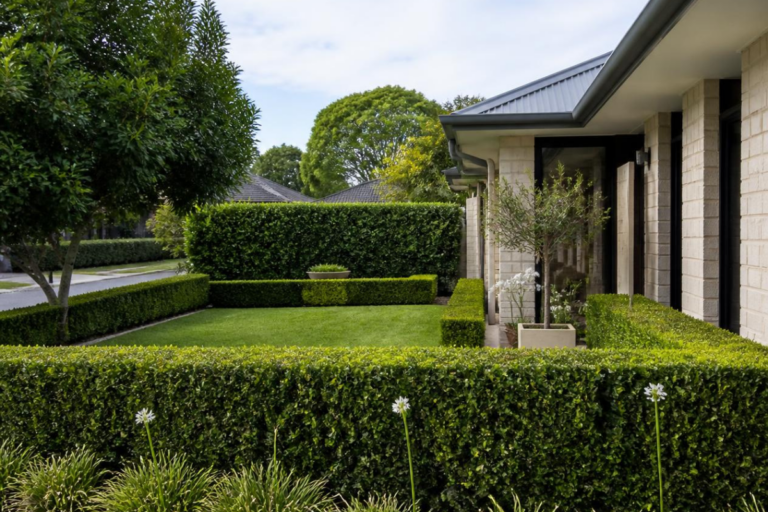
The General Rule for NZ Hedges
For most hedges in New Zealand, the two best trimming windows are late summer to early autumn (February to April) and late spring (October to November), after the main flush of new growth has hardened off.
Trimming within these windows allows plants to recover before either the winter cold or the summer heat puts them under stress.
Avoid trimming in mid-winter, particularly in a climate like Queenstown’s, where fresh cuts can be exposed to hard frost and cold winds. New growth stimulated by trimming is more frost-sensitive than established growth, so cutting too late in autumn or too early in spring can cause damage that takes a season to recover from.
By Species: What Works When
Griselinia is one of the most forgiving hedging plants in terms of trimming. It responds well to hard cutting and can be trimmed in late summer or early autumn without issue. In Queenstown, one trim per year in February or March is usually sufficient to keep it tidy.
Photinia (Red Robin) benefits from two trims a year — one in late spring after the first flush of red new growth, and again in late summer. Light trimming stimulates new growth (which is where the colour comes from), so this species rewards more regular attention.
Pittosporum can be trimmed from late spring through to early autumn. Avoid hard cutting in cold weather. For formal shapes, a late October trim and then again in February gives a clean result for most of the year.
Leyland Cypress and similar fast-growing conifers need trimming at least twice a year to stay manageable — once in late spring and again in late summer. Left too long, these hedges are difficult to bring back into shape without cutting into old wood, which they don’t regenerate from reliably.
What About Tree Pruning?
Most trees are best pruned in late winter while they’re dormant — typically July and August in Queenstown. Pruning at this time of year minimises stress on the tree, reduces the risk of disease entering through cuts, and means the tree puts energy into healing wounds as soon as growth resumes in spring.
Fruit trees follow a similar rule: prune while dormant, before bud break. Ornamental flowering trees are generally best pruned immediately after flowering to avoid removing buds that have already formed for the following season.
Signs Your Hedge Needs Attention Now
Timing aside, there are situations where trimming is warranted regardless of the calendar. If a hedge is starting to block light from windows, encroach on pathways, or lose its defined shape significantly, it’s worth addressing even if it’s not the ideal window. A light tidy is always preferable to allowing a hedge to become a larger structural problem that requires more drastic action to fix.
Very tall or overgrown hedges — particularly those near property boundaries, power lines, or structures — are also a safety consideration and should be addressed with professional equipment and expertise rather than a domestic ladder and hedge trimmer.
When It’s a Job for the Professionals
Large hedges, tall trees, and anything requiring a chainsaw or working at height are best left to teams with the right equipment and experience. Beyond safety, professional trimming equipment produces a cleaner cut that heals better and results in denser, more even regrowth — which is particularly noticeable on formal hedges where the finished appearance matters.
Hedges Looking a Bit Wild?
Peak to Peak’s team handle hedge trimming and tree pruning for homeowners and property managers across Queenstown and Central Otago. With specialist hedge trimming equipment and chainsaws, they work efficiently on everything from single residential hedges to large multi-property accounts. No need to rent equipment or spend a weekend on a ladder – one call and it’s taken care of. Trusted by property owners in the region for over 20 years.
Talk to the team to get in touch and get a quote, you can also call us on +64274314102.